Gold fever swept across Alaska and the Yukon like wildfire in the late 1890s, igniting dreams of untold riches in some of the most remote corners of North America. Though it lasted only a few years, the Klondike gold rush left a legacy you can still feel today in the historic towns of the north.
Roughly 100,000 hopefuls set out between 1896 and 1899, driven by the promise of fortune — but only about 30,000 actually completed the journey. For many, the gold fields offered backbreaking labor instead of easy money. And by 1899, with the discovery of gold in Nome, Alaska, the mad dash to the Klondike came to a swift end. Still, the stories, landscapes and spirit of that rush remain deeply embedded in the places it touched. And you can feel it today when traveling across Alaska and western Canada.
1. It all started in 1896
The Klondike gold rush started on Aug. 16, 1896, when gold was discovered in Bonanza Creek, a tributary of the Klondike River. Within weeks, the creek was packed with staked claims and buzzing with activity.
2. Some early prospectors struck it rich
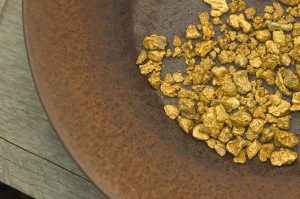
Photo Credit: ©State of Alaska/Matt Hage
The real rush didn’t begin until summer 1897, when word finally reached the Lower 48 and ships arrived in Seattle and San Francisco carrying miners with literal bags of gold. The timing couldn’t have been more electrifying. The U.S. was in a deep economic slump — faith in banks had plummeted and unemployment was high. The allure of a gold-rich frontier was irresistible.
3. Regular people took massive risks
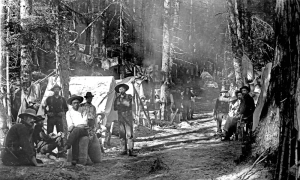
Photo Credit: National Park Service, Klondike Gold Rush National Historical Park, George and Edna Rapuzzi Collection
This wasn’t just a prospector’s game. Men and women from all walks of life, including the then-mayor of Seattle, left everything behind. With stars in their eyes, they sold homes, quit jobs and headed north into some of the most unforgiving terrain on the planet.
4. Two major trails led to the gold fields
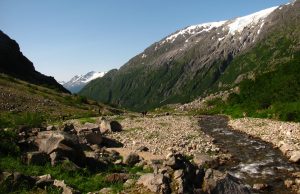
Photo Credit: NPS photo/K. Unertl
Two main trails funneled most stampeders into the gold fields: the Chilkoot Trail from Dyea and the White Pass Trail from Skagway. Each route had its perils.
5. The Chilkoot Trail was infamously dangerous
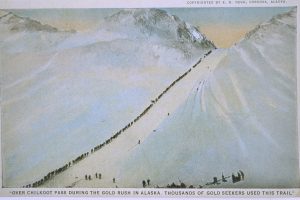
The Chilkoot Trail, steep, icy and treacherous, was dubbed “the meanest 32 miles in the world.” Avalanches, disease and freezing temperatures were constant threats. The infamous “Golden Stairs,” a nearly vertical climb of 1,500 steps carved into the snow and ice of Chilkoot Pass, became a symbol of the rush’s punishing reality.
6. White Pass was just as brutal
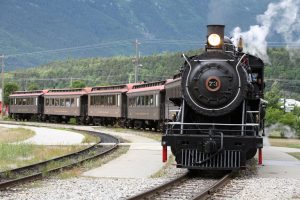
Photo Credit: ©State of Alaska/Brian Adams
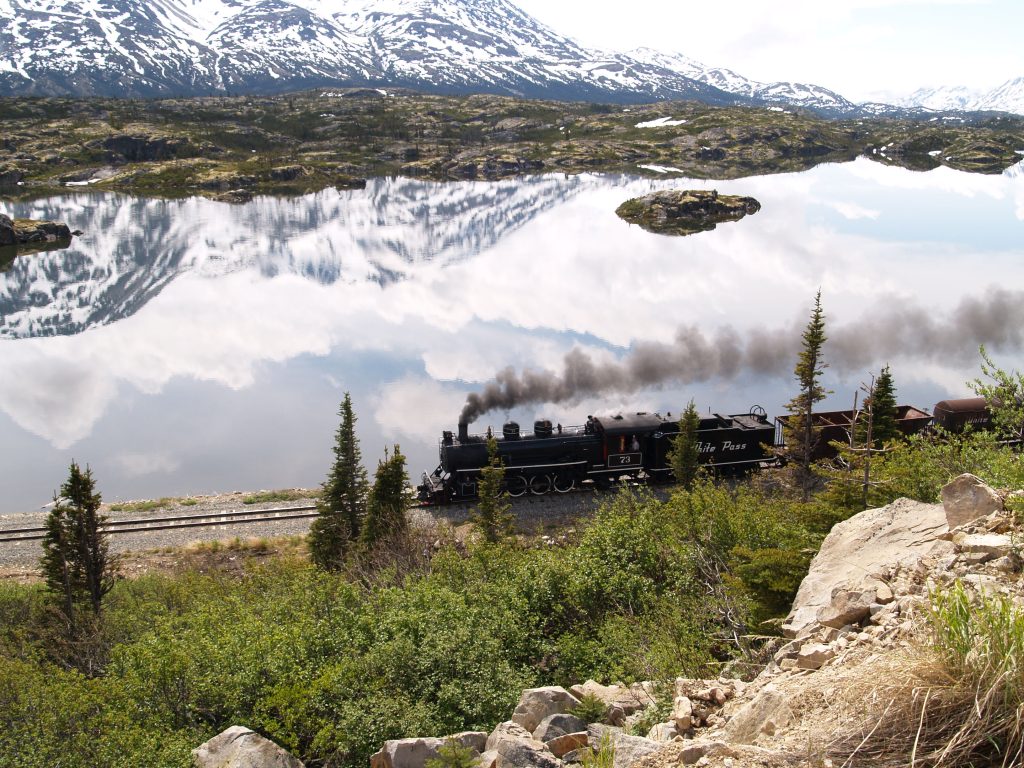
White Pass, the so-called “easier” route, proved no less deadly. Nicknamed “Dead Horse Trail,” it was plagued by thick mud and poor conditions that killed thousands of pack animals. Travelers had to haul a year’s supply of food and gear, nearly 2,000 pounds, often making 20 to 30 trips to shuttle their supplies forward.
Today, visitors can relive a piece of this journey aboard the White Pass and Yukon Route Railway, which climbs from Skagway into the high alpine terrain once trodden by exhausted miners. Book a stay at the centrally located Holland America Skagway Inn to step straight into gold rush history.
7. Boomtowns sprang up overnight
At the height of the rush, towns like Dawson City exploded in size. In a matter of months, the tiny settlement ballooned into a bustling hub with thousands of tents, wooden storefronts and entertainment halls. Saloons lined the streets. Gambling, drinking and dreams of striking it rich became daily life.
8. Few actually struck it rich
Gold was the currency, but adventure was the true reward. Only a few hundred individuals truly became wealthy from their finds. The rest returned home with stories, scars — and sometimes nothing at all.
9. Gold rush history lives on

Photo Credit: © State of Alaska/Brian Adams
Though the Klondike Gold Rush ended over a century ago, its spirit is still alive across Alaska and the Yukon. In Skagway, historic wooden sidewalks and preserved 1890s buildings offer an immersive walk back in time. Be sure to visit the iconic Red Onion Saloon or take a guided walking tour to hear the tales (and ghost stories!) of those wild gold rush days.
10. You can still search for gold today
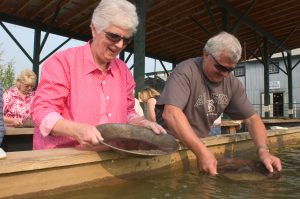
Photo Credit: ©State of Alaska/Matt Hage
If you’re looking to try your own hand at gold panning, there’s still treasure to be found — especially for travelers who love immersive experiences.
Explore Gold Rush History with Holland America Hotels

Ready to walk in the footsteps of stampeders? Book your stay at the Holland America Skagway Inn or Holland America Dawson City Inn and explore the gold rush’s past from the heart of one of its most iconic towns. Want to see even more? Check out our guide to the perfect Klondike road trip from Skagway to Dawson City.