What is Alaska known for? Get to know the 49th state with these 49 fun facts about Alaska that you can share with your friends, use to enhance your school report, or just to give you a leg up on trivia night.
Top Alaska facts
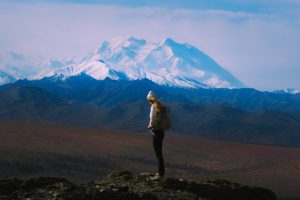
1. Alaska has some of the tallest mountains in the nation
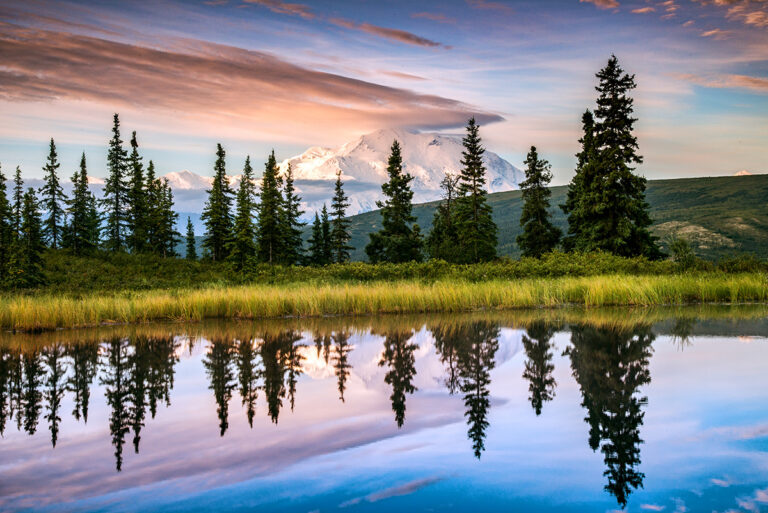
12 of the 13 tallest peaks in the U.S. are in Alaska, including Denali— North America’s crown jewel at 20,310 feet. Indigenous groups have honored it for generations, calling it “The Great One.”
2. Alaska is the most volcanic state
Alaska tops the charts with more than 100 volcanoes and volcanic fields. Thankfully, they’re more scenic than scary. Most erupt rarely.
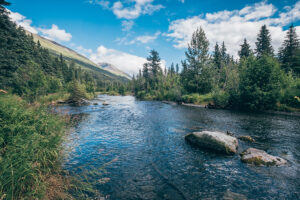
3. The land of 3 million lakes
With over 3,000 rivers and 3 million lakes, Alaska is the ultimate playground for kayakers, rafters and fishing fans.
4. The biggest lake in Alaska (Lake Iliamna) just might have a sea monster
Stretching 77 miles long, Alaska’s biggest lake is full of stories. Some even say it hides a legendary monster (or just a very shy shark).
5. Alaska has more coastline than every other state combined
More than 34,000 miles of coast means you’ll find every kind of beach scene here. That’s more shoreline than all the other states combined!
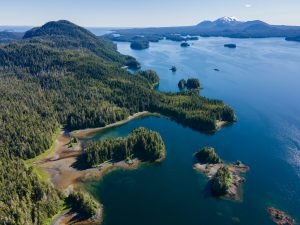
Photo Credit: Travel Alaska
6. Alaska has nearly 95,000 square miles of water
Water covers 14.2% of Alaska’s vast area: nearly 95,000 square miles. That’s larger than the entire United Kingdom at 93,638 square miles.
7. Alaska touches three seas
Where else can you dip into the Arctic Ocean, Pacific Ocean and Bering Sea in one trip? Only Alaska.
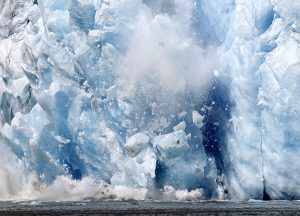
8. Glaciers cover 5% of Alaska’s total area
Alaska boasts roughly 27,000 glaciers covering 5% of the state. That’s more than anywhere else in the country.
9. The most seismic state
Alaska is America’s most earthquake-prone state, recording 40,000–50,000 seismic events a year. Most go unnoticed but you can track them in almost real time at The Alaska Earthquake Center.
10. Alaska has no poison ivy
Want to get outside? Alaska is blissfully free of poison ivy and oak. Just be mindful of plants like devil’s club and cow parsnip if you’re hiking off the beaten path.
11. 21 million acres of forest
The Tongass and Chugach National Forests together span more than 21 million acres — home to trails and wildlife and the traditional homelands of many of Alaska’s Indigenous peoples.
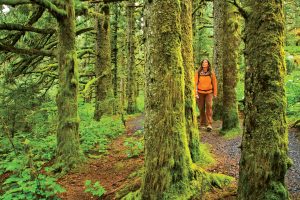
Photo Credit: ©State of Alaska/Michael DeYoung
Bonus fact: In 2025, the U.S. Capitol’s Christmas Tree was an 80-foot Sitka Spruce that made the long journey from the Tongass National Forest.
Lesser-known Alaska facts
12. “Alaska” means big things
The name comes from “Alyeska,” an Aleut word meaning “The Great Land.” One look and you’ll see why.
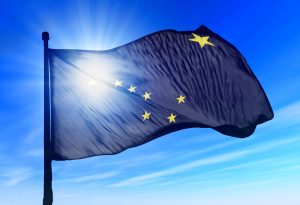
13. The state flag was designed by a middle schooler
Alaska’s flag was dreamed up by 13-year-old Benny Benson in 1926 as part of a territory-wide contest.
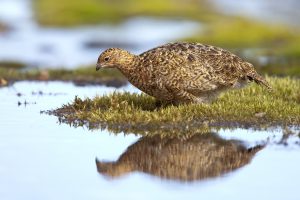
14. The ptarmigan is the official state bird
Though locals will joke the mosquito could easily take that title.
15. Dog mushing is the state sport
Dog mushing is more than just a sport — it’s heritage. Once a primary mode of transportation in the winter, dog mushing is still widely used for recreation, function and sport. Experience it during the world-famous Iditarod Trail Sled Dog Race.
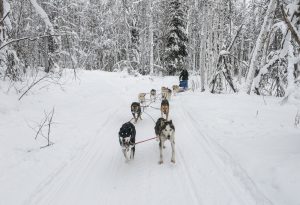
Photo Credit: ©State of Alaska/Matt Hage
16. Alaska is the lowest density state
With just one person per square mile, Alaska is the place to find space and serenity.
17. Men make up most of the population
Men make up about 52% of the population, the highest percentage of any state.
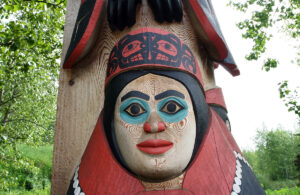
18. Alaska has many rich Indigenous cultures
Roughly 18% of Alaskans are Alaska Native with 229 federally recognized tribes and 20 Indigenous languages spoken statewide.
19. Alaska is the northernmost, westernmost and easternmost state
It’s true! Because Alaska’s Aleutian chain is so long that some of the islands cross the international date line, placing them in the eastern hemisphere.
20. You can’t see Russia from your house — but it’s close
Only 2.4 miles separate the Diomede Islands of the U.S. and Russia.
21. Utqiaġvik, Alaska is the northernmost city in the nation
Formerly Barrow, this is the northernmost U.S. city. From May to August, the sun doesn’t set. From mid-November to January, it doesn’t rise.
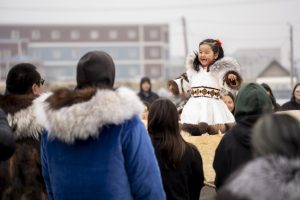
Photo Credit: Lexi Qass’uq Trainer
22. A third of Alaska lies within the Arctic Circle
Add a Dalton Highway road trip to your bucket list to see it.
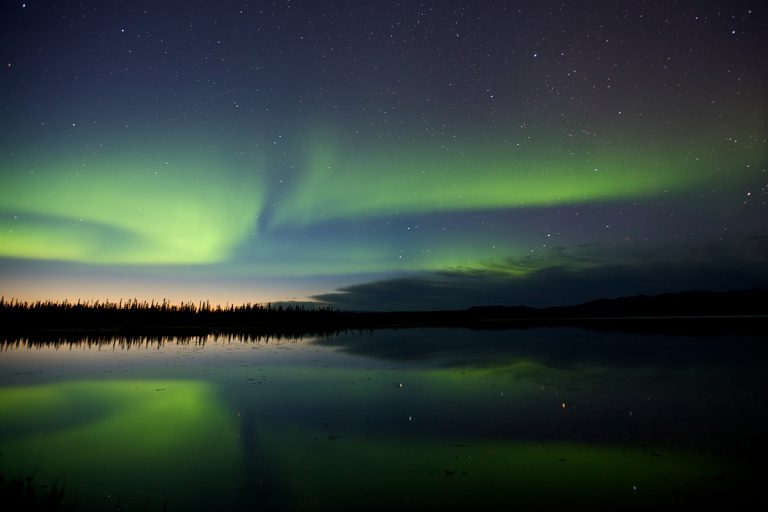
23. If you take a trip to Fairbanks in the winter with good weather, you have a 90% chance of seeing the aurora
Fairbanks is the northern lights headquarters. You can spot the aurora here up to 243 nights a year. With good weather in the winter, you’re more likely to see it than not.

Facts about Alaska weather
24. Alaska keeps it cold
In Fairbanks, January highs hover around 1°F, with lows dropping to –17°F. Bundle up, it’s part of the fun!
25. But in the Interior, temps are surprisingly high
Alaska can sizzle, too. Fort Yukon hit 100°F back in 1915. In Fairbanks, 90-degree summer days aren’t uncommon.
26. The coldest recorded temperature in the nation was recorded in Alaska
Prospect Creek Camp set the U.S. low-temp record: a frosty –80°F in 1971.
Facts about Alaska’s history and local lore
27. Potato gold
During the Gold Rush, miners reportedly traded gold for potatoes — precious vitamin C!
28. In WWII, Alaska soldiers fought on U.S. soil
Alaska was the site of the only WWII land battle on domestic soil: the 1943 Battle of Attu.
29. Russia sold Alaska to the United States in 1867 for $7.2 million
The deal was initially ridiculed and called “Seward’s Folly” and other names in the press. Alaskans commemorate the signing of the Alaska Purchase with Seward’s Day, observed on the last Monday in March.
30. Alaskans celebrate Alaska Day
Alaska Day on October 18 marks the official transfer of the territory to the U.S.
31. Whittier: Alaska’s town under one roof
Nearly all 200 residents of Whittier, Alaska, live in a single 14-story building called Begich Towers, which houses everything from homes and a school to a grocery store and post office. The town is only accessible by tunnel or water!

Photo Credit: sf-dvs via Flickr
32. Anchorage has a haunted auditorium
The Wendy Williamson Auditorium at the University of Alaska Anchorage has earned a haunted reputation — ask around!
33. The Alaska Marine Highway is the only one of its kind
Alaska is the only U.S. state with an official state ferry system that doubles as a highway, the Alaska Marine Highway. This scenic and essential network connects over 30 coastal communities and is a lifeline for places not reachable by road. Bonus: You can bring your car, pitch a tent on deck.

34. Under the midnight sun, Alaska grows supersized vegetables
Due to Alaska’s long summer nights, produce grows like crazy. Cabbages can grow up to 138 pounds and turnips hit nearly 40. That’s some serious salad.
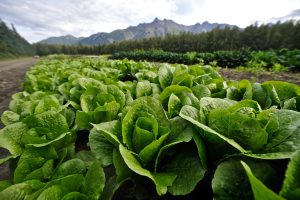
Photo Credit: ©State of Alaska/Matt Hage
Facts about Alaska’s wildlife and fishing
35. The largest salmon caught in Alaska weighed 97 pounds
A 97-pound salmon was once pulled from the Kenai River. That’s no fish tale.
36. Half of the world’s northern fur seals gather at the Pribilof Islands each summer
The Pribilof Islands become a summer home to millions of northern fur seals, about half the global population.
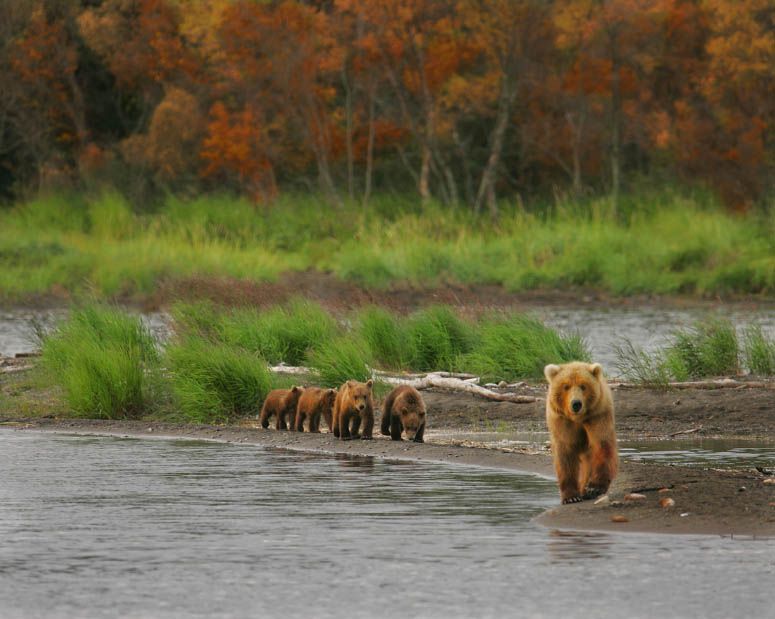
37. Alaska is home to the famous Kodiak brown bear
Kodiak bears can weigh 1,500 pounds and stand 10 feet tall. They’re the largest subspecies of bear after the polar bear.
38. And three main bear species
Black bears, brown bears (including grizzlies and Kodiaks) and polar bears.
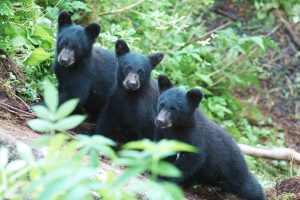
Photo Credit: ©State of Alaska/Peter Kronenmann
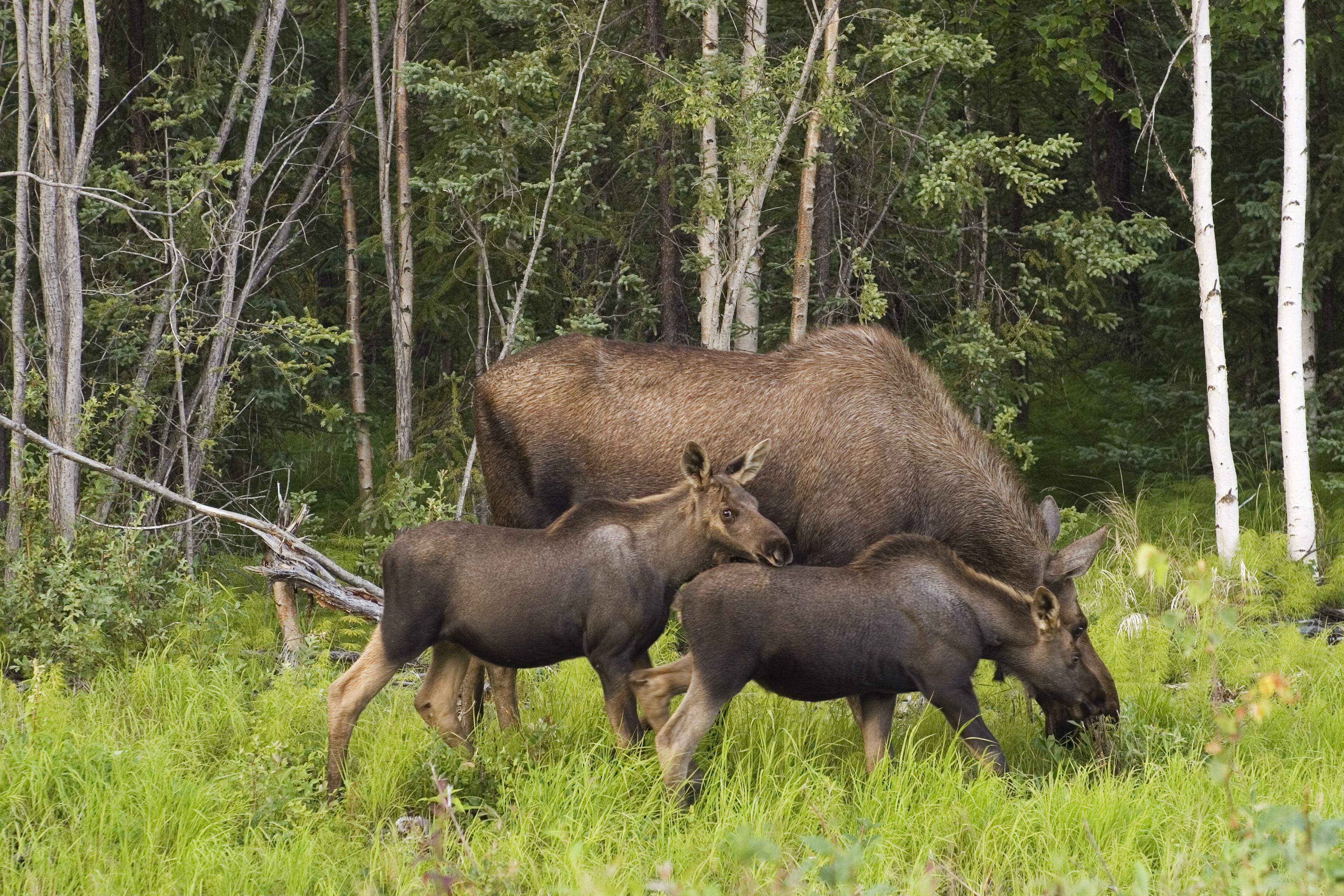
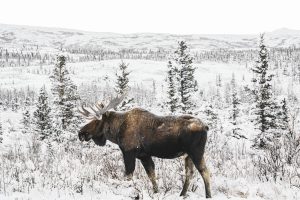
39. The Alaska moose is the heavyweight of the deer family
The Alaska moose is the largest subspecies of moose and the largest member of the deer family worldwide. Bulls can weigh up to 1,600 pounds and sport antlers spanning six feet or more. You’ll often find them wading through wetlands or nibbling on willow and birch roadside.
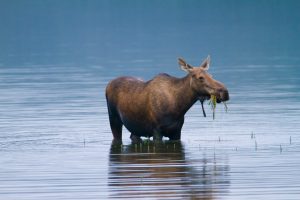
Photo credit: ©State of Alaska/Michael DeYoung
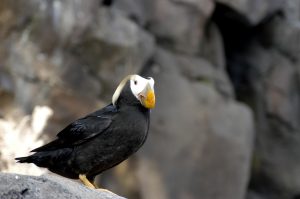
40. Alaska has two puffin species
Alaska is home to both horned puffins and tufted puffins, two colorful seabird species known for their bold beaks and charismatic looks. You can spot them nesting on coastal cliffs throughout the state, especially in places like Kenai Fjords National Park and the Pribilof Islands.
Facts about Alaska’s industry and economy
41. Alaska has no income tax
Alaska does not have a statewide personal income tax, making it unique among most U.S. states.
42. Seafood is king
15 percent of rural working-age Alaskans are employed in the seafood industry.
43. Alaska has five types of Pacific salmon
King (Chinook), Red (Sockeye), Silver (Coho), Pink (Humpy) and Dog (Chum). Try and catch them all!
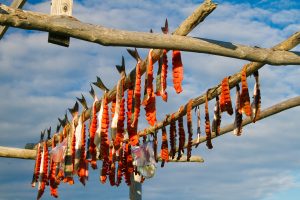
Photo Credit: ©State of Alaska/Michael DeYoung
44. Big oil country
Prudhoe Bay is North America’s largest oil field, powering much of Alaska’s economy.
45. Pipeline power
The Trans-Alaska Pipeline stretches over 800 miles, crossing mountain ranges and tundra — an engineering marvel.

46. The most pilots per capita
With more than 10,000 certified pilots and tons of remote areas, Alaska is truly aviation country.
47. Travel by seaplane
Anchorage’s Lake Hood is the world’s busiest seaplane base. Floatplanes are just another way to get around.
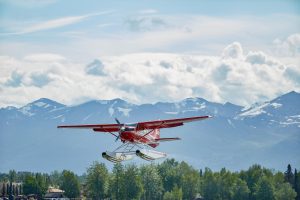
Photo Credit: Miles Partnership
48. Zinc is the top export
Zinc is Alaska’s top mineral export, though gold still steals the spotlight.
49. Alaskans earn an annual dividend
You may have heard the phrase “Alaskans get paid to live there,” but that’s not quite the whole story. The Permanent Fund Dividend (PFD) is an annual payout to eligible residents, funded by investment earnings from the state’s oil and gas revenues. For most locals, it’s a helpful boost for seasonal expenses, travel or savings.
Alaska is rugged, radiant, and ready for your next big adventure. The Great Land offers something unforgettable at every turn. Which fact surprised you most — and which one will inspire your itinerary? Book your stay today at hollandamericahotels.com.