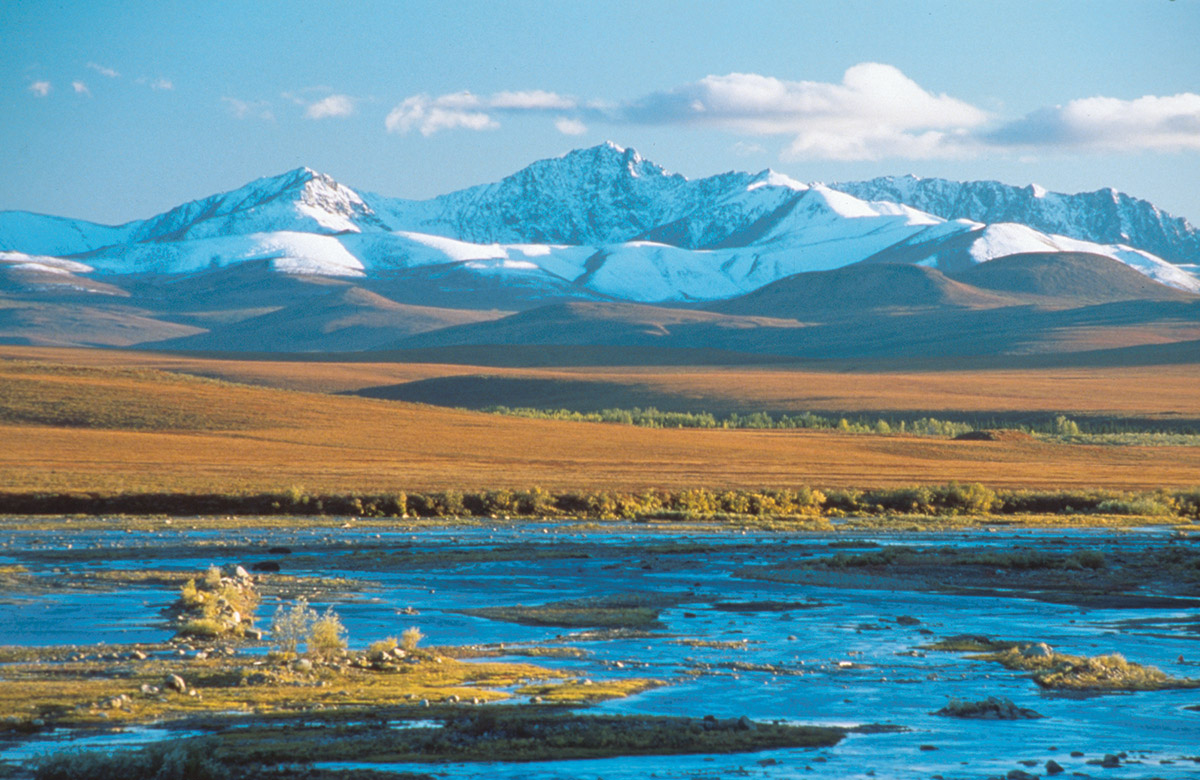
Planning a trip to Alaska? One of the first questions travelers ask is: “What is the best time to visit Alaska?” With its vast landscapes, rich wildlife and unique daylight shifts, Alaska transforms dramatically through the seasons. This all-seasons guide breaks down spring, summer, fall and winter to help you decide the best time to visit Alaska based on your interests. Whether you’re headed to Skagway, Denali National Park or nearby gems like Haines, Talkeetna or Fairbanks, there’s something unforgettable in every season.
Spring in Alaska (Mid-April to May)
Weather, Daylight & Wildlife

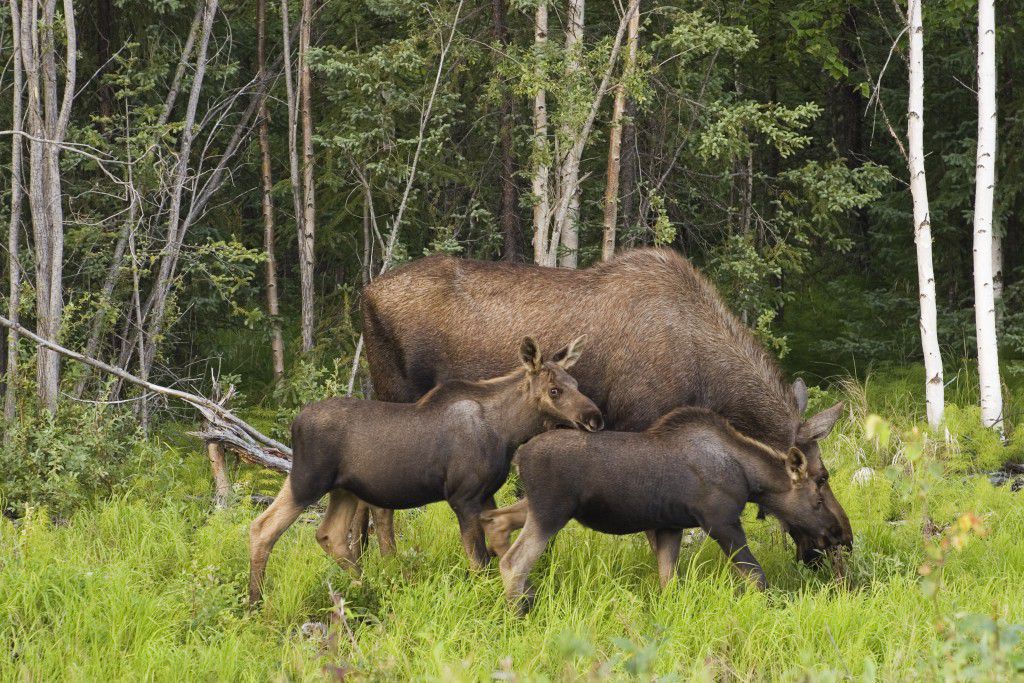
Spring awakens Alaska with melting snow, longer days and wildlife returning to the spotlight. Daytime temperatures range from the 40s to mid-50s Fahrenheit. Daylight hours climb quickly, reaching 18 hours by late May. It’s also the beginning of wildlife season: bears start emerging from hibernation, migratory birds return and moose calves are often spotted in the brush.
Why Visit in Spring?
For many small Alaska towns, spring brings new energy. In Skagway, trails like Yakutania Point become accessible and the historic downtown buzzes as shops and excursions reopen. Nearby Haines is ideal for birdwatching during the spring raptor migration.
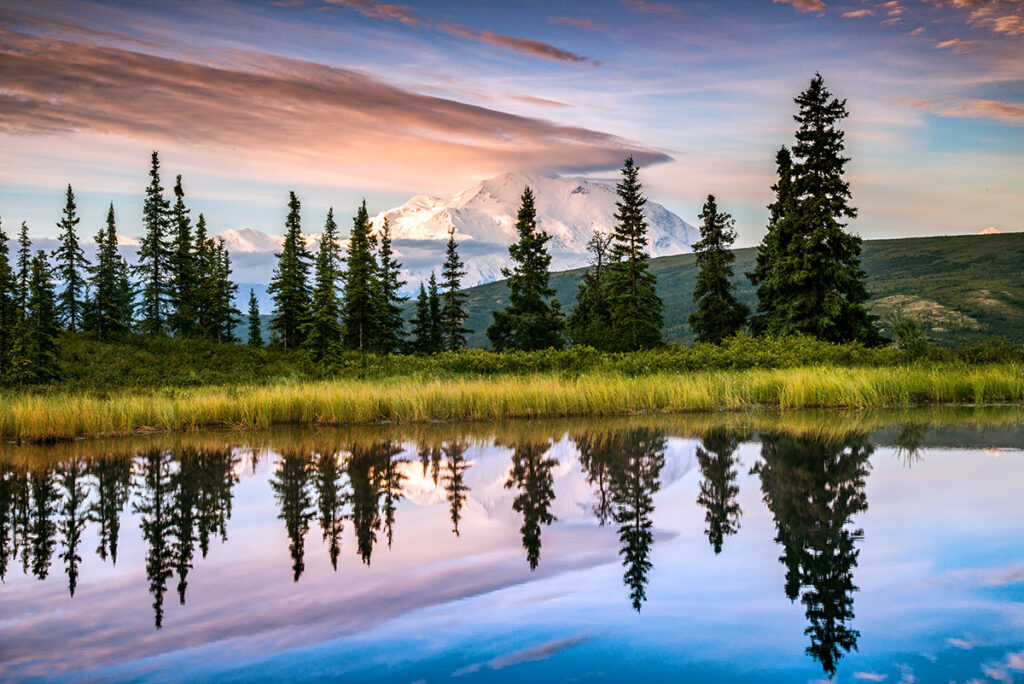
Further north, Denali National Park gradually opens in spring, offering quiet trails and limited but magical access to wildlife viewing. Early May is ideal for spotting caribou, moose and Dall sheep, all set against the snowy backdrop of the Alaska Range.
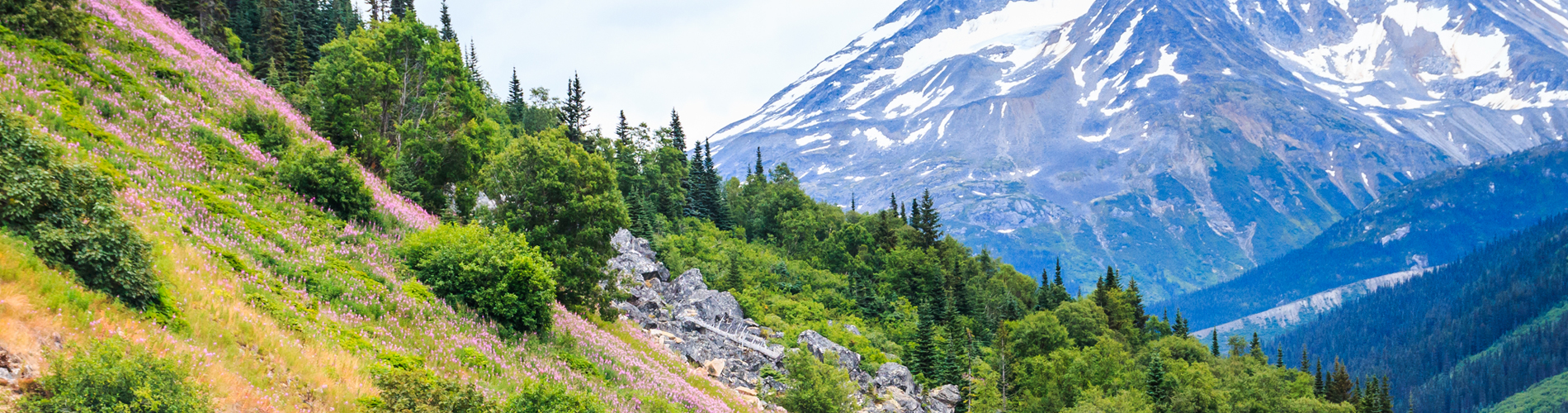
If you prefer fewer crowds and cooler temperatures, spring is one of the best times to visit Alaska. It offers a peaceful atmosphere, blooming wildflowers, fresh greenery and excellent early wildlife viewing opportunities.
Local Events & Excursions
- Skagway Spring Festival: Art, music and community activities.
- In Southcentral and Southeast, whale-watching tours start mid-spring.
- Denali National Park begins driving bus service down the park on May 20.
Summer in Alaska (June to August)
Weather, Daylight & Wildlife
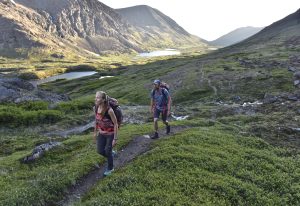
Photo Credit: Matt Hage
Alaska in summer means extended daylight, average temperatures between 60–80 degrees Fahrenheit and peak wildlife activity. In popular northern destinations like Fairbanks and Denali, the height of summer can bring as much as 22 hours of continuous daylight. This is the time for full-access adventures: hiking, wildlife tours, national park visits and scenic rail journeys.
Why Visit in Summer?
Summer is the most popular time to visit many locations across the state — and for good reason. This is a great time to visit Alaska for long days, active wildlife and the widest range of activities.

Photo Credit: Travel Alaska
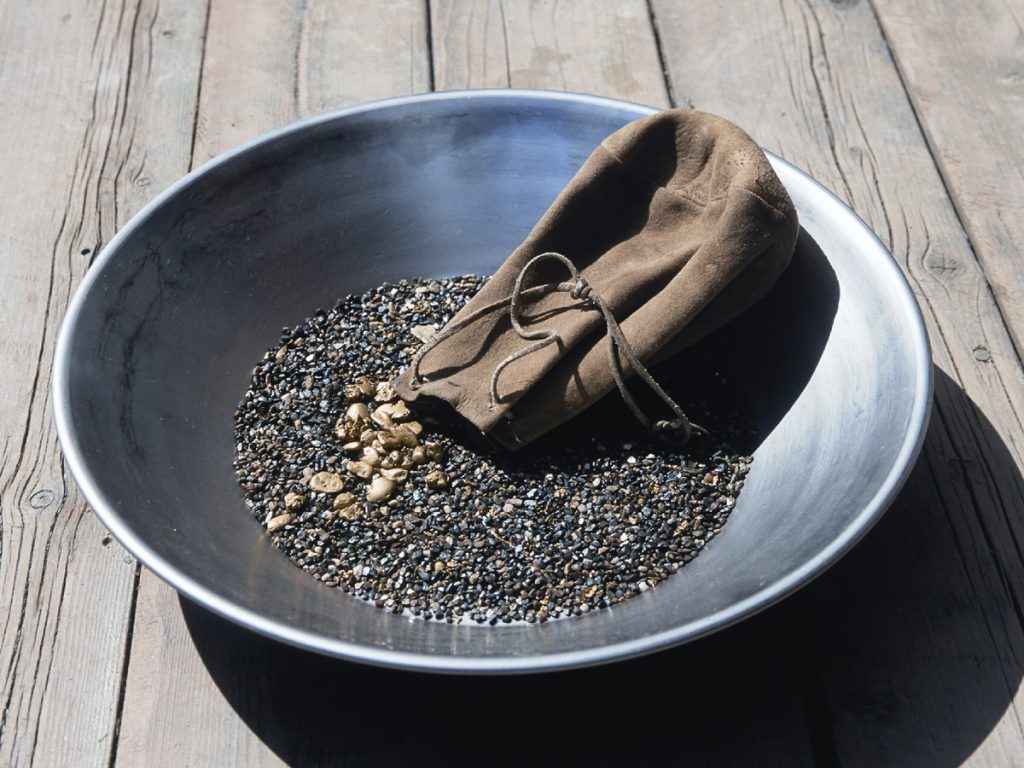
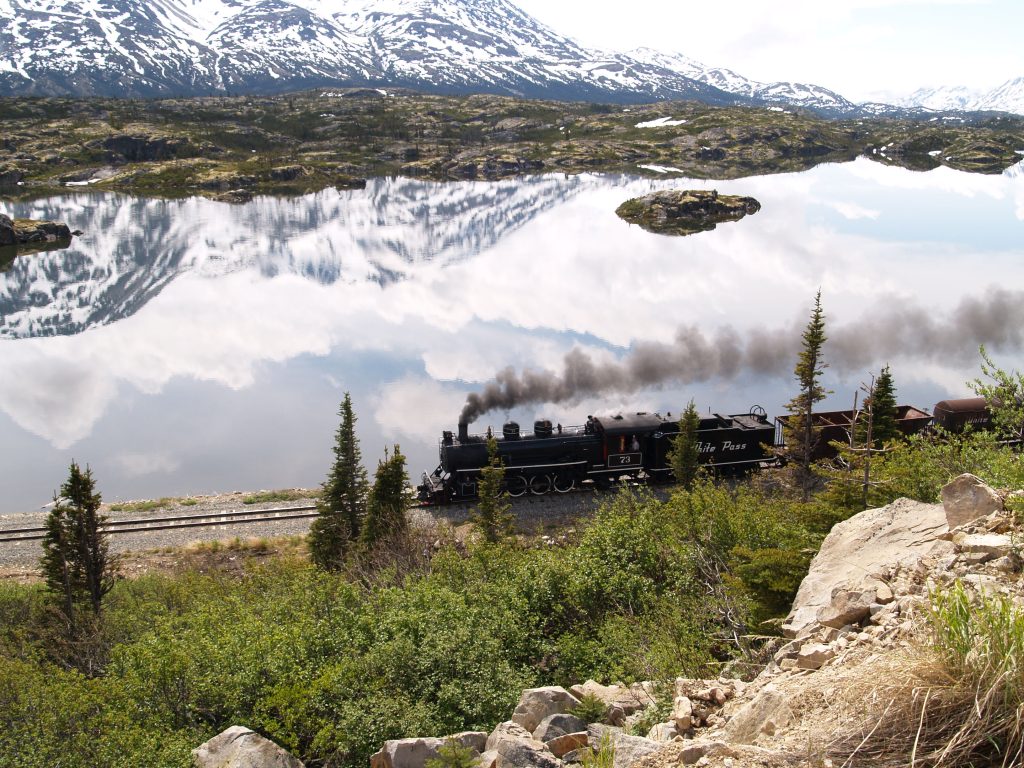
In Skagway, visitors can hop aboard the White Pass & Yukon Route Railway, hike alpine trails or pan for gold. Denali offers guided bus tours deep into the national park, showcasing moose, bears, wolves and breathtaking views of North America’s tallest peak.
Nearby Talkeetna serves as the jumping-off point for exploring Denali State Park and features vibrant local markets and flightseeing tours. This is a popular getaway destination for locals and visitors — famous for its line of cat mayors.
Local Events & Excursions
- Skagway Independence Day Celebration (July 4): Parades, races and family events.
- Denali50K Ultramarathon (June): A scenic, high-adrenaline event along the Denali Highway.
- Anchorage Market & Festival: One of the largest open-air markets in the state.
- Fairbanks Midnight Sun Festival: An all-night solstice celebration with vendors and food.
Fall in Alaska (September)

Weather, Daylight & Wildlife
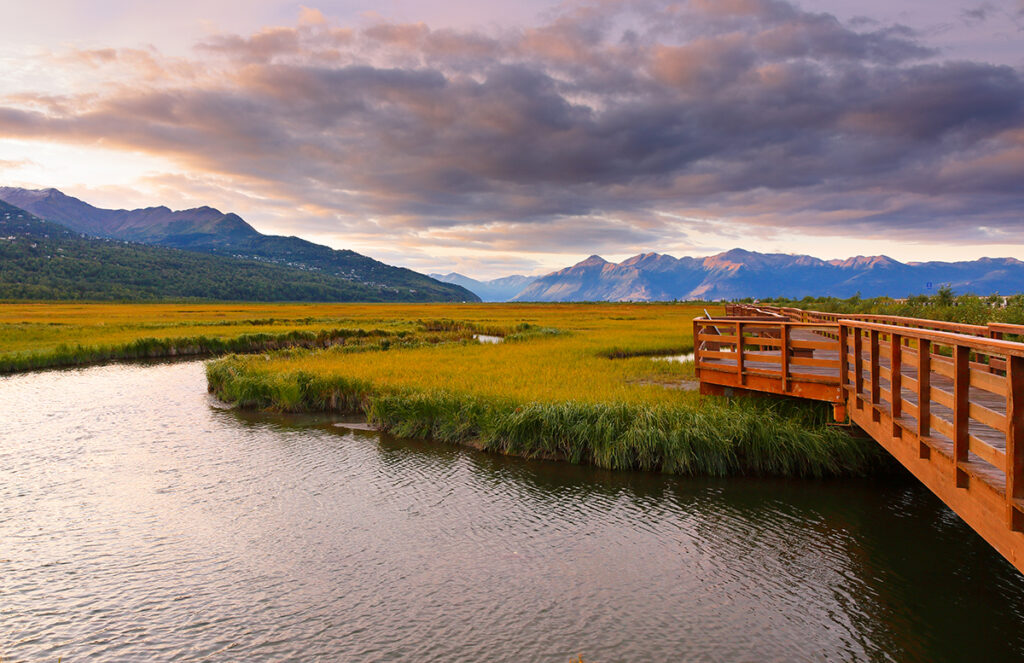
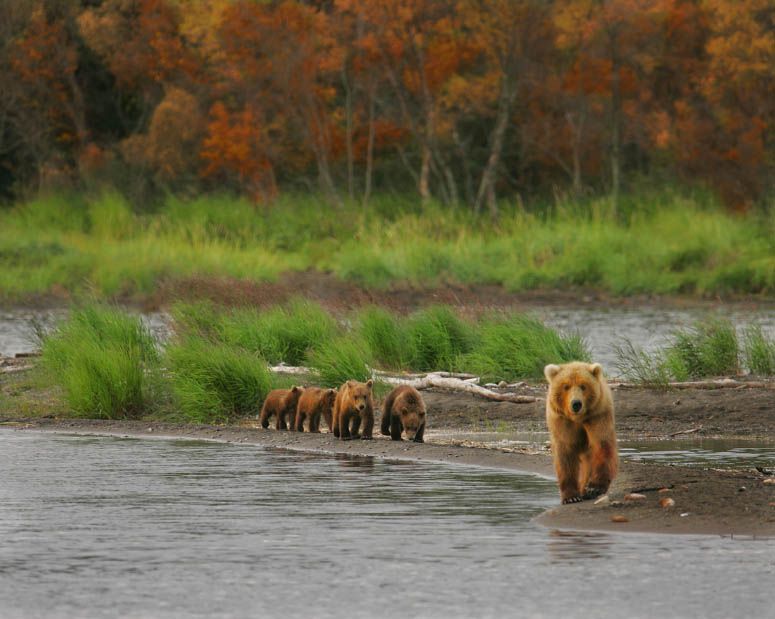
Fall is short and sweet in Alaska, with temperatures ranging from the 30s to low 50s degrees Fahrenheit. Daylight begins to wane but golden foliage and crisp air make it a favorite among photographers and travelers seeking a refreshing getaway. Wildlife activity remains high as animals prepare for winter.
Why Visit in Fall?
Early fall is one of Alaska’s best-kept secrets. It offers vibrant color, cool temperatures and fewer crowds — ideal for those who want a quieter, more contemplative adventure.
Across the state, small towns slow down in September, offering more personal experiences. Skagway’s Gold Rush history and mountain surroundings are stunning in fall with exceptional foliage along the Chilkoot Trail.
Iconic travel destinations like Denali National Park dazzle with autumn colors. At this time of year, much of the wildlife has not yet gone into hibernation. Bears, moose and caribou are still active in early fall.

September also features the Denali Road Lottery, when a limited number of private vehicles are allowed to drive the Park Road for an unparalleled chance to get up close with nature.
Local Events & Excursions
- Klondike Road Relay: A scenic international relay race.
- Denali Road Lottery (mid-September).
- Fairbanks: Fall aurora viewing begins in earnest. Pro tip: the aurora is visible as far south as Anchorage in the fall if the weather is good.
Winter in Alaska (October to March)
Weather, Daylight & Wildlife

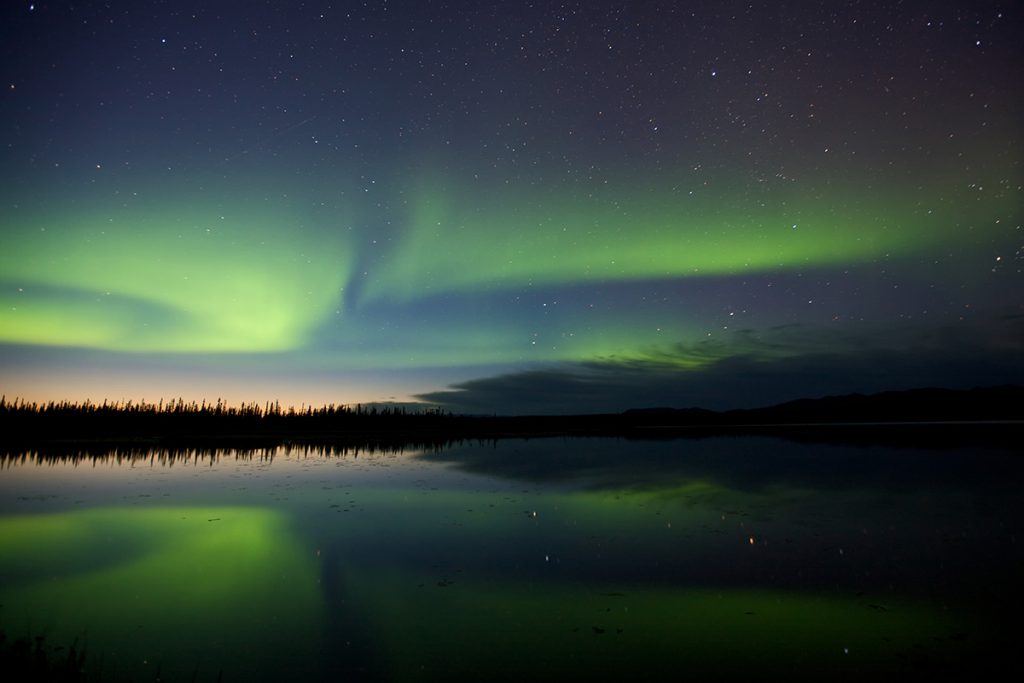
Alaska in winter is a true Arctic experience. Expect short days (as few as five hours of daylight in December) and cold temperatures, often dipping below 0 degrees Fahrenheit. However, if you’re wondering about the best time to visit Alaska to see northern lights, winter is your answer, especially in Fairbanks, Anchorage and Talkeetna.
Why Visit in Winter?
Though many destinations and events are closed in winter, adventurous travelers can still be rewarded with aurora displays, pristine snowscapes and a deep sense of calm.
Destinations like Denali National Park can be challenging to access this time of year — with limited offerings and a closed Park Road, alternatives like Talkeetna and Fairbanks shine for their aurora offerings and snow sports. Even in more urban Anchorage, winter travelers can get the best of city offerings and outdoor recreation.
Photo Credit: Odyssey Studios
Local Events & Excursions
- Anchorage Fur Rendezvous (late February): Sled dog events, snow sculptures and winter carnival fun.
- Iditarod Trail Sled Dog Race (early March): A legendary long-distance sled dog race from Anchorage to Nome.
- Northern lights tours from Fairbanks or Talkeetna.
- Sled dog excursions, skiing, snowshoeing and more!
Seasonal Snapshot: Alaska Travel by Season
| Season | Average Temperature | Daylight | Nature |
| Spring | 30s-50s °F | 13-18 hrs | Bears emerging, birds migrating, longer days |
| Summer | 60s-80s °F | 18-22 hrs | Active wildlife, wildflowers, midnight sun |
| Fall | 30s-50s °F | 10-12 hrs | Rutting moose, spawning salmon, fall colors |
| Winter | Below 0 – 20s °F | 5-8 hrs | Northern lights, limited daylight, deep snow |
Final Thoughts: The Best Time to Visit Alaska?
When it comes to planning your Alaska adventure, the best time to visit depends on what you’re looking for. Want long days and endless tours? Aim for summer. Winter travelers can be rewarded by long, contemplative nights and stunning aurora. The shoulder seasons of spring and fall have their own charm with smaller crowds and cooler weather.
No matter when you visit Alaska, with the right gear and a sense of adventure, you’re in for a trip you’ll never forget. Holland America Hotels in Skagway and Denali offer the perfect home base for exploring the best of Alaska in season.
Start planning your stay today — the beauty of Alaska awaits you year-round: https://hollandamericahotels.com